Light Weight Aluminum Castings Explained: Key Perks and Services for Your Production Demands
Aluminum castings play a substantial function in contemporary production. Their resilient and light-weight nature makes them suitable for different applications. Industries such as aerospace and automotive gain from their adaptability. Recognizing the advantages and the manufacturing process of light weight aluminum spreadings is important. Additionally, choosing the appropriate provider can affect quality and efficiency. What variables should be thought about when picking an aluminum casting solution? Exploring these elements discloses important insights.
Advantages of Light Weight Aluminum Castings
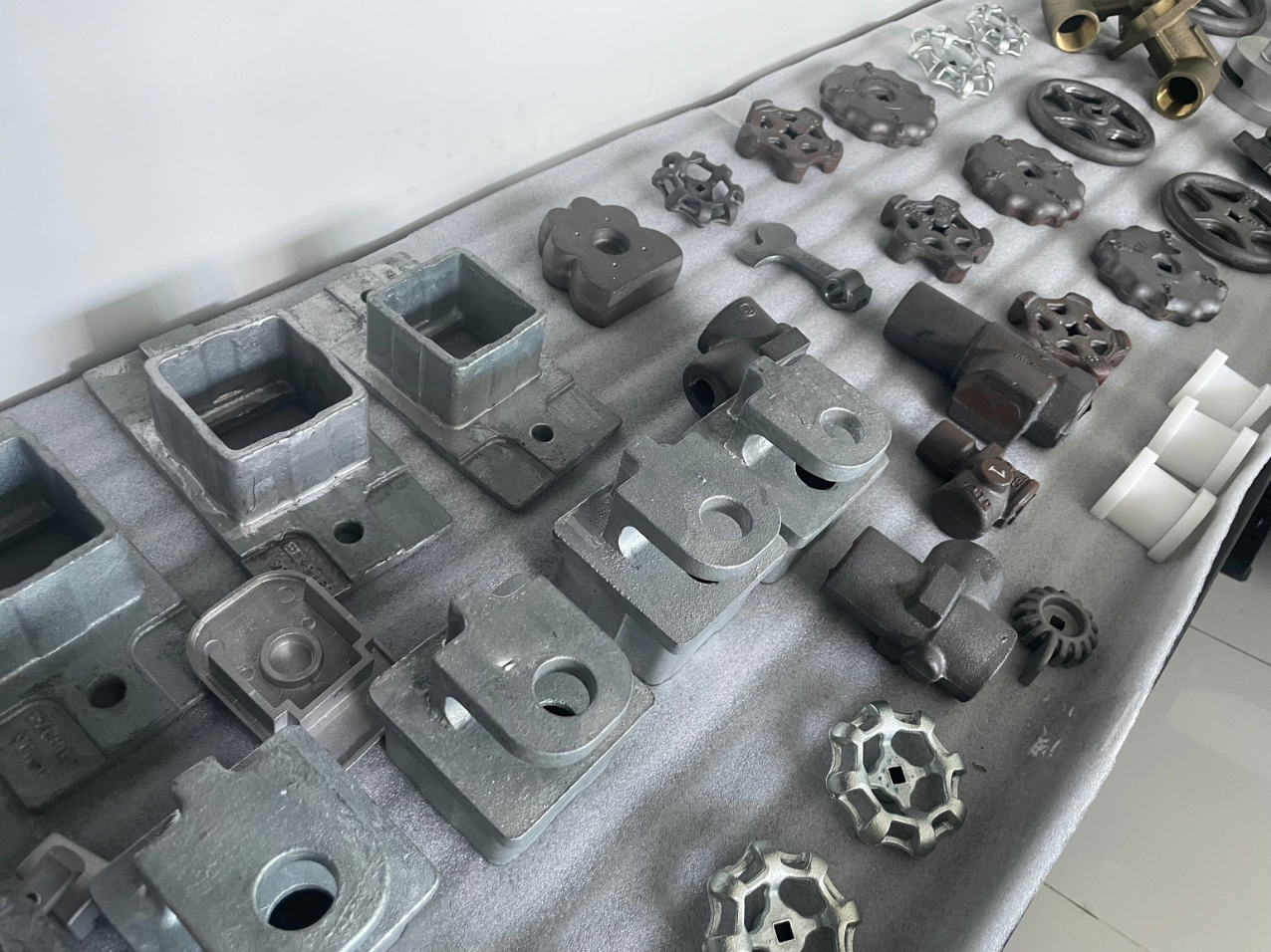
Aluminum castings use various benefits that make them a preferred selection in different markets. Among the primary advantages is their light-weight nature, which considerably reduces shipping and managing costs. Furthermore, light weight aluminum displays exceptional deterioration resistance, making sure long life and lowered upkeep for products made from this material. The flexibility of aluminum permits elaborate layouts and complicated forms, supplying makers with better versatility in manufacturing.
In enhancement, light weight aluminum castings possess great thermal and electric conductivity, making them appropriate for a range of applications needing heat dissipation or electrical components. The material additionally has a high strength-to-weight proportion, enabling the production of resilient yet lightweight components. Moreover, aluminum can be reused without losing its residential properties, promoting sustainability in producing processes. On the whole, these benefits make aluminum spreadings a dependable and reliable alternative for manufacturers looking for high quality and performance in their items.
Applications of Aluminum Castings in Numerous Industries
The advantages of aluminum castings make them extremely sought after throughout various markets, including auto, aerospace, and consumer products. In the auto field, they are utilized for engine blocks, transmission instances, and wheels as a result of their light-weight nature, which enhances fuel efficiency. Aerospace applications take advantage of aluminum castings in structural elements and real estates, giving strength while minimizing weight, vital for flight performance.
In consumer goods, light weight aluminum castings are used in products such as cooking equipment and electronic rooms, supplying longevity and aesthetic appeal (Metal Castings). In addition, the electrical market uses aluminum spreadings for warm sinks and housings, ensuring reliable thermal administration. The adaptability of light weight aluminum enables complicated geometries and elaborate layouts, even more broadening its applications. Overall, the varied utility of aluminum castings emphasizes their importance in modern-day production, contributing to development and effectiveness throughout these essential markets
The Production Refine of Light Weight Aluminum Castings
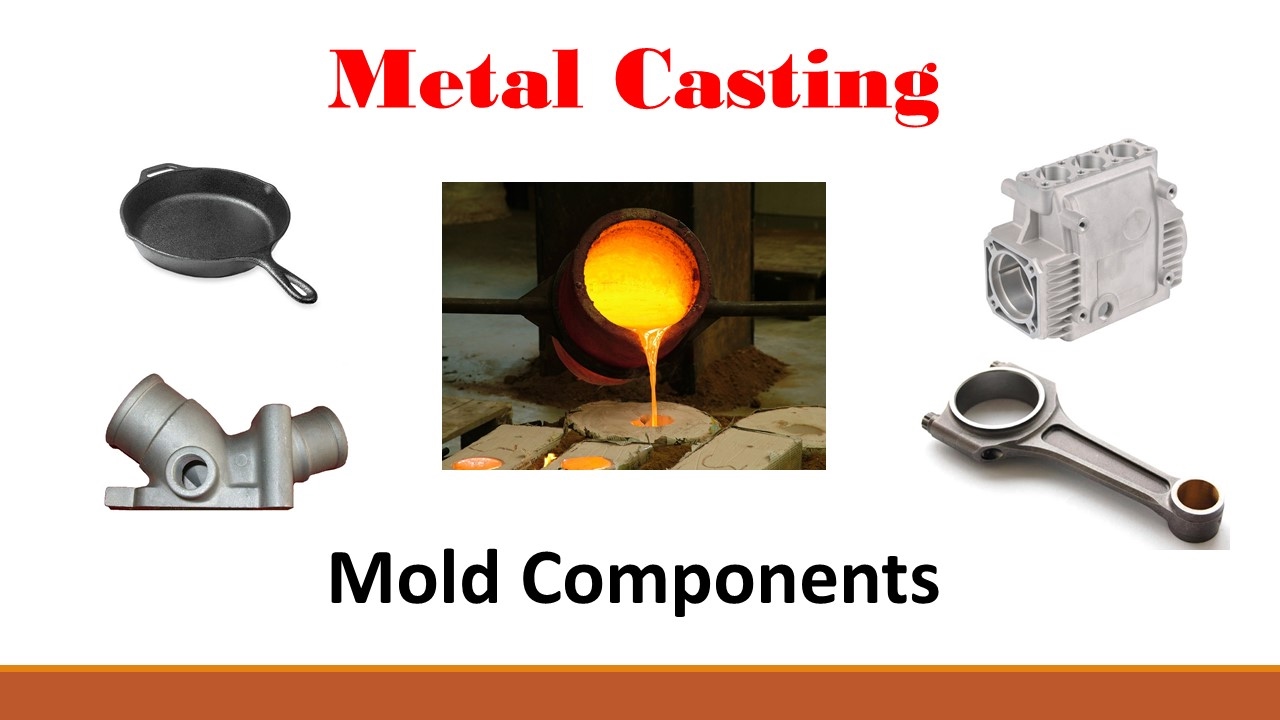
Casting light weight aluminum entails several essential steps that change raw metal into specific elements. The procedure starts with the melting of light weight aluminum scrap or ingots in a furnace, getting to temperatures around 1,200 ° F. Once molten, the aluminum is put right into a mold and mildew, which can be made from sand, steel, or ceramic, depending upon the desired requirements.
After putting, the steel strengthens and cools down, creating the form of the mold and mildew (Aluminum Castings). The following step entails getting rid of the spreading from the mold and mildew, which may need additional strategies to assure a smooth surface finish
Consequently, any excess product or imperfections can be machined or ground off to achieve the last measurements. Quality examinations are after that conducted to confirm that the casting meets required criteria. This thorough procedure allows suppliers to generate parts that are light-weight, sturdy, and suitable for a large range of applications.
Picking the Right Aluminum Casting Service
When selecting a light weight aluminum casting service, it is necessary to consider a number of elements that can greatly affect go to this site the high quality and performance of the end product. Initially, the company's experience and competence in aluminum spreading play a critical function in guaranteeing high-grade outcomes. Companies ought to examine the provider's profile and previous tasks to evaluate their capabilities.
In addition, reviewing the technology and equipment utilized by the casting solution is necessary, as modern-day machinery can boost precision and decrease preparations. An additional essential factor is the capability to supply customized remedies customized to particular task needs, which can significantly enhance product performance.
Interaction and client assistance must not be overlooked; a collaborative companion can promote smoother project execution. Lastly, taking into consideration cost-effectiveness without endangering top quality is vital for making an educated choice. By carefully considering these aspects, suppliers can pick a spreading service that best satisfies their demands.
Future Fads in Light Weight Aluminum Spreading Modern Technology
As makers significantly prioritize quality and effectiveness, innovations in light weight aluminum spreading technology are readied to change the sector. Arising fads consist of the fostering of automation and robotics, which enhance precision and lower human error in casting processes. In addition, the combination of synthetic intelligence and maker discovering is anticipated to maximize production timetables and boost quality assurance.
Sustainability stays a central emphasis, with technologies in reusing methods enabling for a lot more efficient reuse of aluminum scrap, consequently minimizing waste and power usage. Advanced simulation software is additionally acquiring grip, allowing designers to design and anticipate casting performance prior to real manufacturing, lessening costly mistakes.
The advancement of brand-new alloys and progressed spreading methods, such as 3D printing, will expand the possibilities for lightweight yet resilient components. With each other, these fads indicate a dynamic future for aluminum spreading, driven by technological More about the author advancements that focus on product, effectiveness, and sustainability top quality.
Frequently Asked Concerns
How Do Aluminum Castings Compare to Various Other Products?
What Are the Weight Limitations for Aluminum Castings?
Weight limitations for light weight aluminum spreadings commonly depend on the design and application, however they normally support lots abilities varying from a few ounces to several tons. Certain constraints occur from variables like wall surface density and architectural integrity.
Can Aluminum Castings Be Repaired After Production?
Aluminum castings can be fixed after manufacturing, making use of techniques such as welding or epoxy bonding. The expediency of repairs relies on the level of damage and the specific properties of the aluminum alloy used.
What Finishes Are Available for Light Weight Aluminum Castings?
Various surfaces are offered for light weight aluminum spreadings, consisting of anodizing, powder sprucing up, layer, and paint. These surfaces enhance appearance, provide corrosion resistance, and boost surface longevity, accommodating varied aesthetic and useful demands in producing applications.
How Do Environmental Laws Affect Light Weight Aluminum Spreading Processes?
Environmental policies considerably influence light weight aluminum spreading processes by mandating more stringent discharges controls, motivating recycling methods, and promoting sustainable products. These guidelines urge suppliers to adopt cleaner modern technologies and reduce their environmental impact in manufacturing tasks.